
Metal-uPVC
Metal-uPVC windows and doors
Steel reinforced metal uPVC, double glazed, built in our own factory to the sizes of your openings and fitted by our own installers. Two year warranty on every unit.
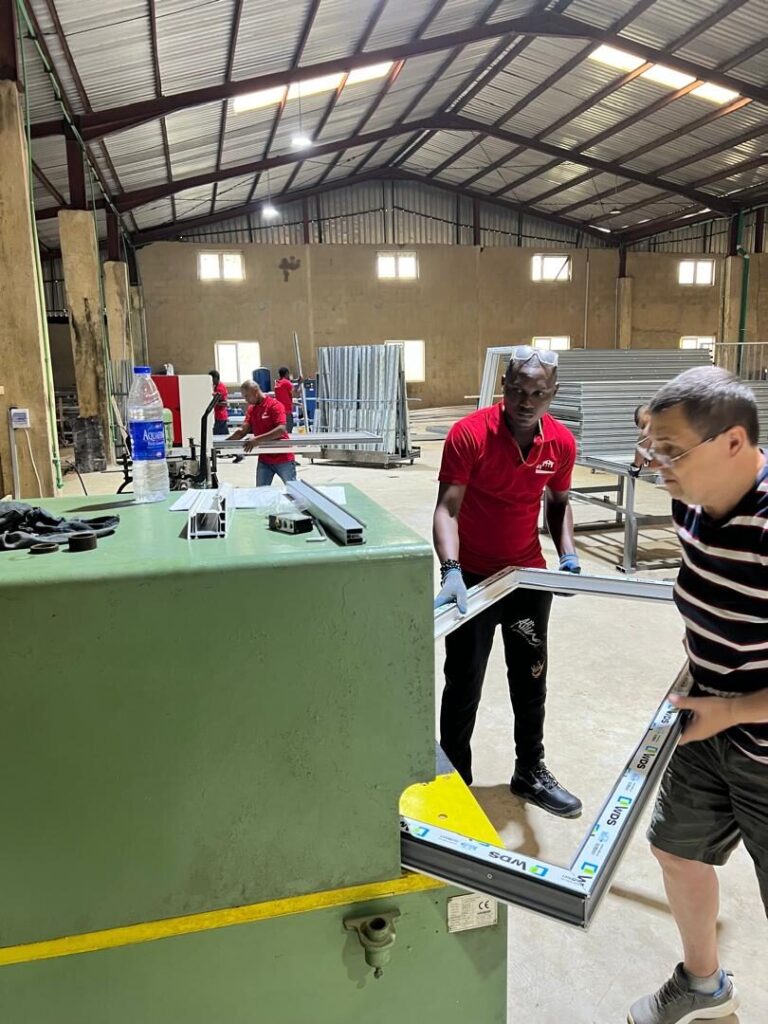
Why the steel inside matters
A metal uPVC frame on its own as a frame is not of sufficient tensile strength. Ours carries a steel section inside the profile, which gives it lasting stability and durability. The frame holds its shape for the life of the window, which is the whole reason the reinforcement is there.
The metal uPVC around it does the rest. It does not corrode, it does not rot, it does not need repainting, and it wipes clean. In a climate that punishes timber and rusts mild steel, that is the practical argument.
It is also the difference between two products sold under almost the same name. A window described as metal uPVC may have no reinforcement in it at all, and from the outside the two look identical. Ask anybody quoting you whether there is steel in the profile, and what section it is.
What the metal-uPVC system gives you
Every point below is built into the construction rather than added as an option.
Tough and durable
Steel reinforced profile that will not distort under load or under intense heat.
Quiet inside
Multi chamber frames with double glazing cut outside noise by up to 95 percent.
Energy saving
The same construction keeps up to 40 percent of the sun’s heat energy out of the room.
Nothing to maintain
The surface is smooth, hygienic and easy to clean. No corrosion, no repainting.
Sealed against dust
Internal and external gaskets extend in and out as the sash closes, so dust stays outside.
Colour and grain
Lamination on one or both faces gives a rich timber appearance without timber’s upkeep.
Shapes, sizes and openings
The system is flexible in both design and dimension. Constructions can be rectangular, polygonal, round, arched or drawn to a shape of your own. The sash, which is the part that opens, can be hung from the side or from the top.
That gives three families of opening. Inward Tilt & Turn opening brings the sash into the room, which is the only sensible choice high up a building where the outside of the glass has to be cleaned from within. Add a tilt to the same sash and you have tilt and turn, which ventilates a room without leaving it open to the weather or to anybody outside.
Outward opening pushes the sash away from the room and saves the space it would otherwise take up inside. Pressure from outside presses the sash more firmly onto the frame. Controls and locks stay on the inside either way, so security is never traded for the opening direction.
Sliding comes as dual rail and multi rail. In a multi rail construction every section moves; in a dual rail one section slides and the other stays fixed. Where you want a wide opening onto a balcony or terrace with an uninterrupted view, there is very little that competes with a slider. They are also the usual answer for partitioning banks, insurance halls and open plan offices.
Where it is used
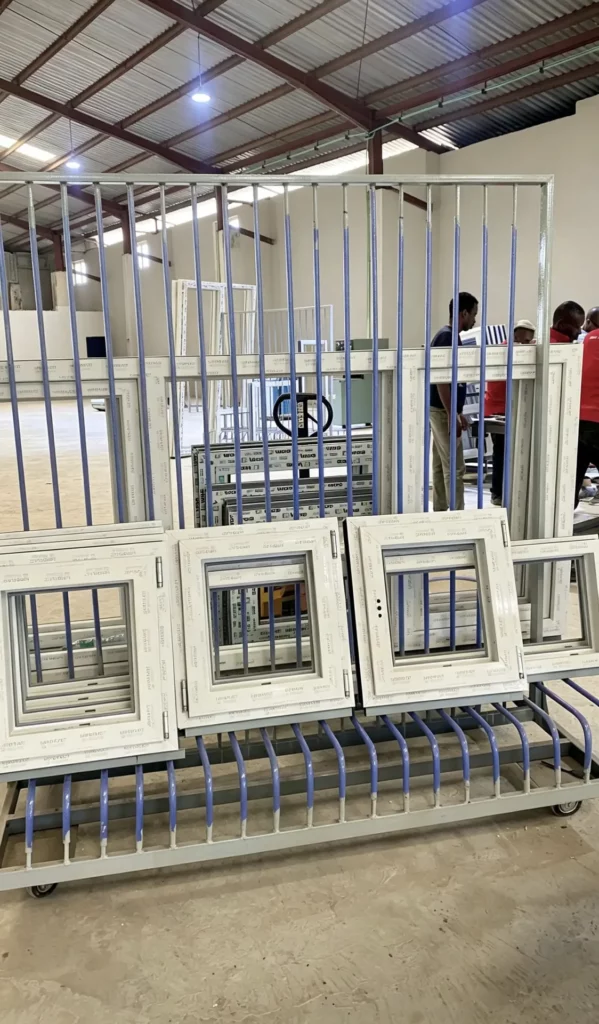
Residential homes and blocks of flats, offices, hotels, churches, mosques and public buildings. What changes between them is not the system but the scale: the size of the openings, which way they are asked to open, and the finish.
Every window can be ordered tinted or clear, in a range of colours, and every mechanism is worked from a single handle.
Tilt and turn, on film
Questions about metal-uPVC windows
Is metal uPVC strong enough for large windows in this climate?
On its own, no, and that is exactly why ours is steel reinforced. A steel section runs inside the profile and is what stops a large window bowing under its own weight or distorting in the heat. A plain metal uPVC frame with no reinforcement is a different product sold under a similar name.
Will the white frames yellow in the sun?
The profile is specified to resist discolouration and does not need repainting. The surface is smooth and wipes clean, which is most of the maintenance a metal uPVC window ever needs.
Can you make arched or shaped windows?
Yes. Rectangular, polygonal, round, arched or a shape of your own drawing. This is one of the practical advantages of manufacturing rather than importing finished units.
What is the difference between tilt and turn and casement?
A casement swings open on one axis. A tilt and turn does that and also tilts the top of the sash inwards from a second position on the same handle, which ventilates a room without leaving it open to weather or to anybody outside.
How much noise does double glazing actually stop?
Rotex puts the reduction at up to 95 percent, from the sealed cavity between the panes working together with the multi chamber frame and the gasket system. In practice customers describe traffic and generators becoming something they know is there rather than something they listen to.
How long is the warranty?
Two years for only factory related faults on every product, metal uPVC and aluminium alike, with no separate schedule of exceptions for the parts that move. For automated or electronic systems, the warranty is six months.